
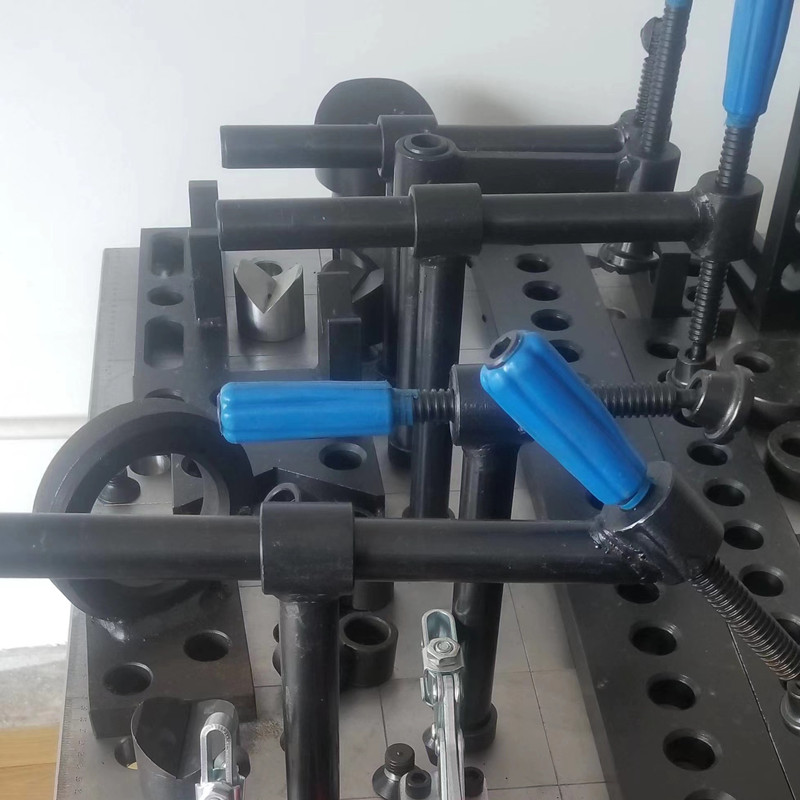
5mm frosted glass
Understanding Thread Plug Gauge Standards Thread plug gauges are essential tools in the manufacturing and quality control industries, primarily used to ensure the integrity of threaded components like screws, bolts, and nuts. These gauges help verify whether the threads conform to established specifications, ensuring that components fit together correctly and function as intended. A thorough understanding of thread plug gauge standards is crucial for engineers, manufacturers, and quality assurance professionals. What is a Thread Plug Gauge? A thread plug gauge is a measuring tool designed specifically to assess the form and fit of internal threads. The gauge features a tapered shape for easy insertion into the threaded holes. There are two primary types go gauges and no-go gauges. The go gauge checks whether a component's features are acceptable, while the no-go gauge ensures that the part does not exceed maximum tolerances. Importance of Thread Plug Gauge Standards The standards governing thread plug gauges ensure uniformity and quality across various industries. For manufacturers, adherence to these standards minimizes the risk of parts failing during operation due to incorrect thread specifications. For instance, a misthreaded bolt can lead to catastrophic failures in machinery or structures. Thus, standardized gauges significantly enhance safety and reliability in engineering applications. Common Standards Organizations Several organizations establish international standards for thread plug gauges, including the American National Standards Institute (ANSI), the International Organization for Standardization (ISO), and the Deutsches Institut für Normung (DIN). These organizations outline specific requirements, such as thread dimensions, tolerances, and testing methods. For example, the ISO 1502 standard specifies the basic dimensions and tolerances for metric screw threads, including those used in thread plug gauges. thread plug gauge standard Key Parameters in Thread Plug Gauge Standards Thread plug gauge standards encompass several critical parameters, including 1. Thread Profile The profile must match the specified design, whether it’s Unified National Thread (UNC/UNF), Metric (M), or other international standards. 2. Pitch Diameter This is the diameter at which the thickness of the thread and the distance between the threads are balanced. It’s a vital measurement for ensuring that the threads mesh properly. 3. Tolerances These are limits established for how much variation from the base dimensions is acceptable. Tolerances ensure that parts fit together properly without excessive play or interference. 4. Material Specifications Thread plug gauges must be made from durable materials, typically high-grade steel or carbide, to withstand wear and tear during repeated use. 5. Calibration Regular calibration against defined standards is essential to maintain accuracy over time. This process ensures that measurements remain reliable throughout their service life. Conclusion In conclusion, thread plug gauge standards play a vital role in maintaining the quality and safety of threaded components across various industries. By adhering to these standards, manufacturers can ensure that their products meet stringent quality requirements, ultimately leading to more reliable and effective applications. As technology advances and the complexity of engineering designs increases, an understanding of these standards will remain crucial for those involved in the production and quality assurance of threaded components. Without such standards, the risk of failures due to improper threads would greatly increase, highlighting the undeniable importance of standardized practices in engineering and manufacturing.
about
5mm frosted glass
The Importance of Safety Caps for Steel Reinforced Plastic Rebar In the construction industry, safety is paramount. As construction projects become more complex and large-scale, the materials used must not only meet structural requirements but also adhere to strict safety standards. One such innovation that emphasizes safety and efficiency is the use of steel reinforced plastic (SRP) rebar. Alongside the use of SRP rebar, safety accessories such as safety caps are essential in promoting a secure working environment. Understanding Steel Reinforced Plastic Rebar Steel reinforced plastic rebar is a composite material that combines the durability of steel with the lightweight, corrosion-resistant properties of plastic. This innovative rebar is designed to provide the same tensile strength as traditional steel rebar, making it suitable for various applications in construction, including bridges, roads, and buildings. The benefits of SRP rebar extend beyond strength; the material is also resistant to rust, making it ideal for projects in harsh environments or where traditional rebar would suffer from corrosion. The Role of Safety Caps Amidst the numerous advantages presented by SRP rebar, the addition of safety caps plays a critical role in ensuring safety on construction sites. Safety caps are protective coverings that fit over the exposed ends of rebar, preventing injuries caused by sharp ends, which can pose serious hazards to workers. These injuries can range from minor cuts to more severe accidents that can significantly impact project timelines and worker morale. Preventing Injuries steel reinforced plastic rebar safety cap Accident statistics in the construction industry reveal that tripping, falling, or coming into contact with protruding rebar significantly contributes to work-related injuries. Metal rebar ends can be particularly dangerous as they can puncture skin and cause deep wounds. Safety caps help mitigate this risk by providing a barrier that covers the sharp edges of rebar, reducing the likelihood of accidental contact. Moreover, these caps can be brightly colored, enhancing visibility and alerting workers to potential hazards in their environment. Compliance with Safety Standards Using safety caps is not just a voluntary measure; it often complies with local safety regulations and standards mandated by construction safety organizations. Adhering to these standards is vital for contractors and companies, as failure to prioritize safety can lead to legal implications, financial losses, and reputational damage. Investing in safety caps helps meet these regulations, demonstrating a commitment to creating a safe working environment for all personnel involved in a project. Enhancing Work Efficiency While safety is the primary concern, it's essential to recognize that the use of safety caps can also lead to increased work efficiency. By minimizing the risk of injury, workers can focus on their tasks without the fear of encountering hazardous rebar ends. This sense of safety can lead to higher productivity levels, as employees are less likely to be sidelined by accidents. Furthermore, ensuring a safe site can reduce downtime caused by accidents or the need to address safety violations. Conclusion In conclusion, the combination of steel reinforced plastic rebar with appropriate safety measures, such as safety caps, highlights the importance of prioritizing safety in construction. As the industry continues to evolve with new materials and technologies, it is crucial to implement solutions that enhance the safety and efficiency of construction projects. Safety caps not only protect workers from potential injuries but also support compliance with safety standards and promote a culture of responsibility on site. As we look ahead, the integration of innovative materials and safety accessories will undoubtedly shape the future of construction, paving the way for safer and more efficient building practices.
-

High quality industrial productsagement

High quality industrial products
View Details -

Meet the diverse needs of customers

Meet the diverse needs of customers
View Details -

Strict quality control

Strict quality control
View Details -

Top raw materials

Top raw materials
View Details -

Trusted supplier

Trusted supplier
View Details
Our application



news and information
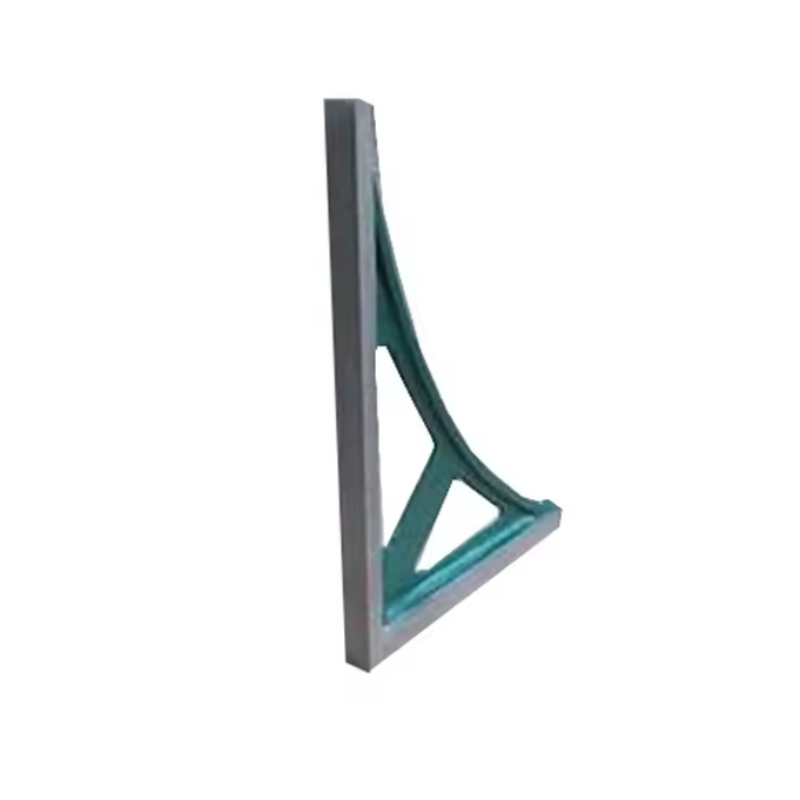
Using Ring Gauges for Precision Measurement and Quality Control in Industrial Applications
The Importance of Ring Gauges in Quality Control In the realm of manufacturing and engineering, prec

y type suction strainer
Understanding Y-Type Suction Strainers A Comprehensive Guide In various industrial applications, mai
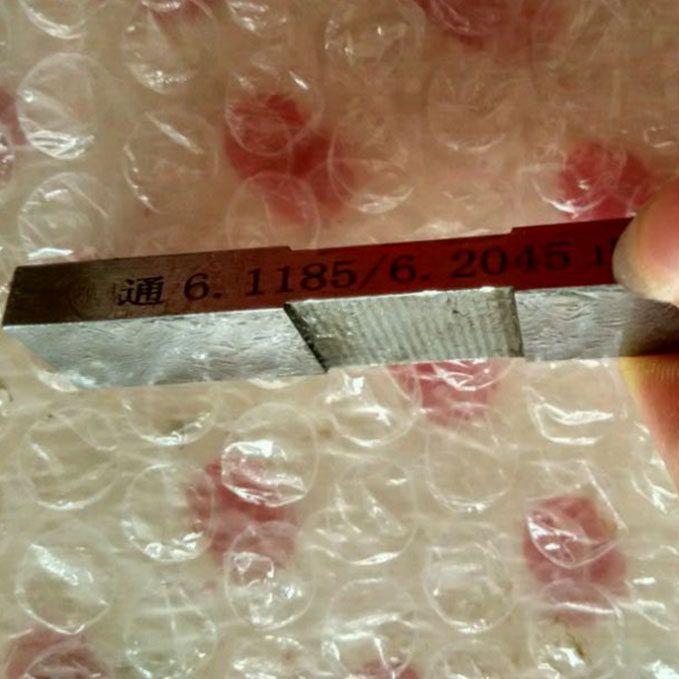
Valve Wholesale Quality Products & Competitive Prices
Valve wholesale is an integral part of numerous industries ranging from oil and gas to pharmaceutica
 English